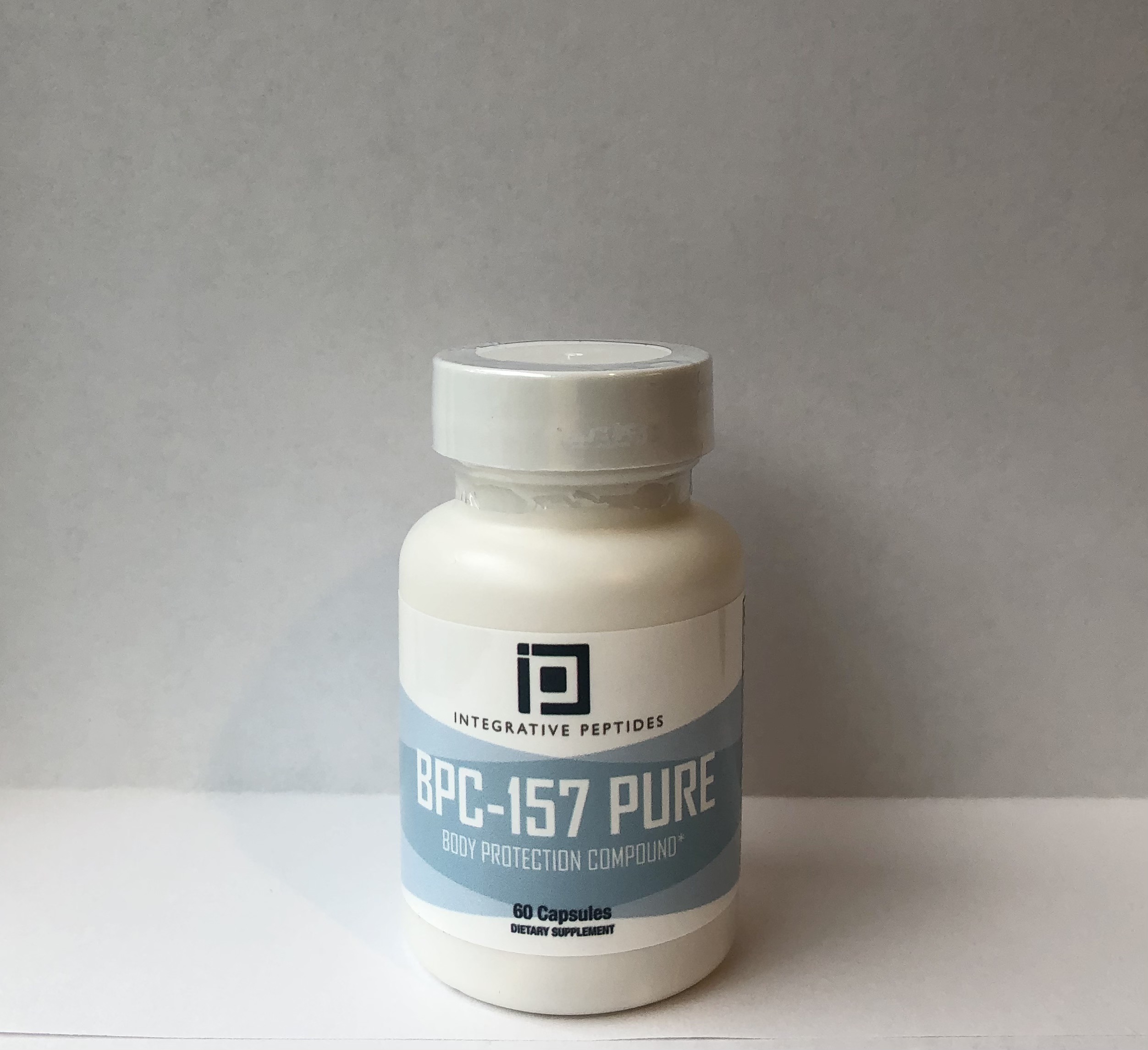
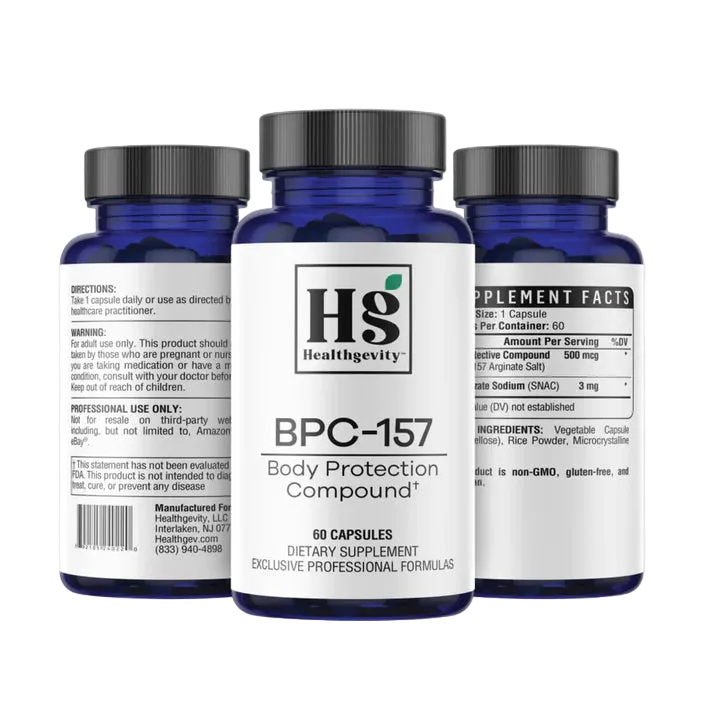
Research Use Only Notice This product is intended for laboratory research use only and is not approved for human or veterinary use
This may be due to copper's ability to enhance the expression of metalloproteinases (MMPs).16 MMPs normally regulate the degradation of collagen, and a specific one, MMP-1, may be responsible for the initiation of collagen fragmentation.17 Supporting this, a 2024 study noted that elevated MMP-1 levels appear to contribute to aging skin and that higher MMP-1 levels in mice led to:18 The loss and fragmentation of dermal collagen fibrils Contracted fibroblast morphology Reduced collagen production Increased expression of pro-inflammatory mediators Additionally, a 2016 study found that GHK-Cu significantly increased gene expression of MMP-1 and MMP-2 at the lowest concentration, which the studys authors considered to be one of the reasons the peptide was able to increase collagen and elastin production.19 So, what this could ultimately mean is that using too much GHK-Cu (or other copper peptides) may in theory increase the skins MMP-1 concentration above the levels involved in healthy collagen production, taking it into the collagen fragmentation and breakdown territory seen in older skin with naturally higher MMP-1 levels
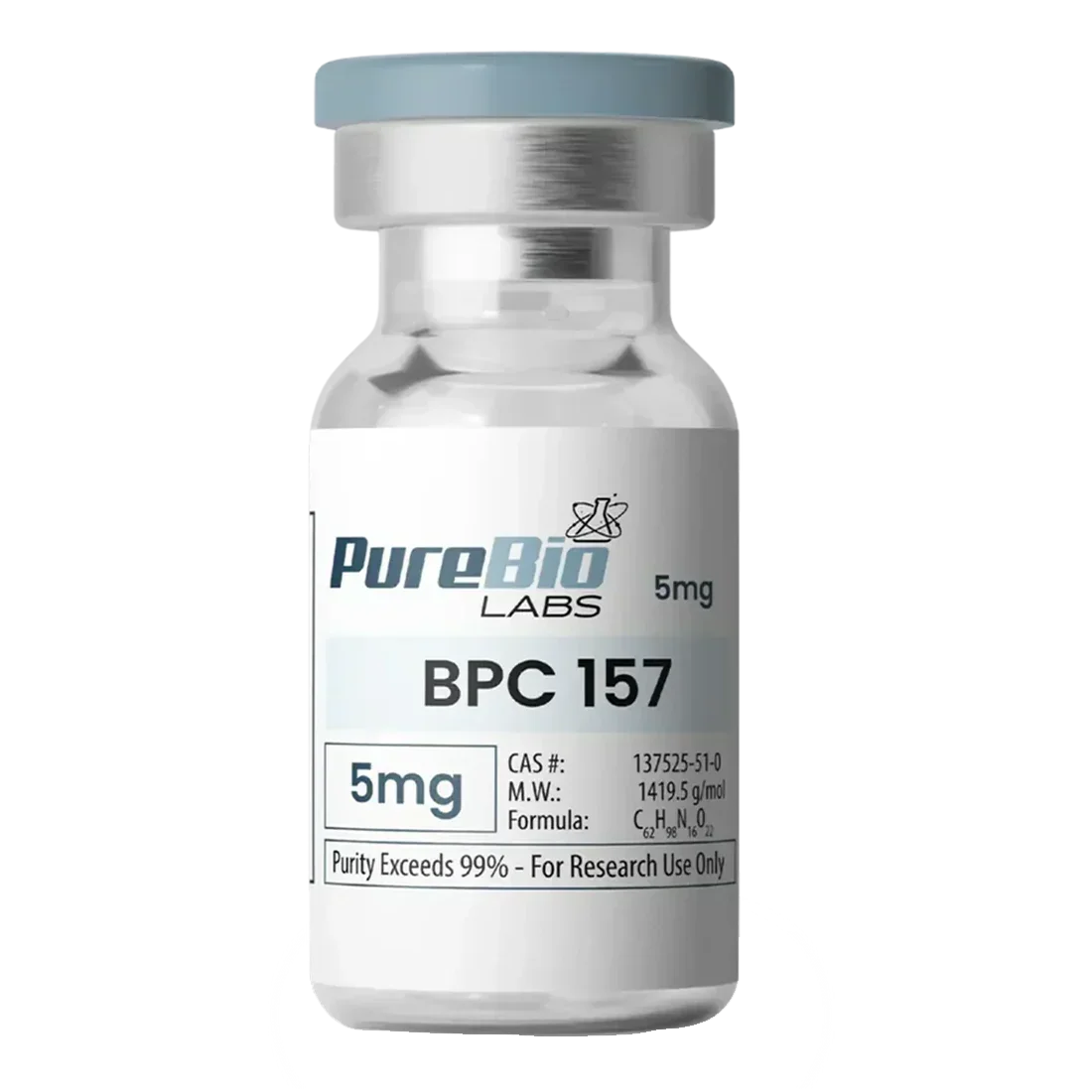
Material: 5-Amino-1MQ synthetic reference compound Format: laboratory-grade research material Manufacturing: synthetic compound production Inventory: EU stock Storage: cool, dry, protected from light Use context: laboratory research and analytical reference only Documentation: suitable for internal inventory and catalog workflows These specifications are provided solely for catalog clarity and procurement planning
Tendon and tissue healing: animal studies have examined tendon, muscle, and wound models, which is why the peptide appears in recovery-focused research
This access model supports clinical efficiency and research workflows
Second, nobody knows the long-term safety profile